
Why Small Class Sizes Make a Big Difference at St. Ann School
-
 At St. Ann School, our small class sizes aren’t just a feature — they’re a core part of how we teach, learn, and grow together. Families often tell us that the individualized attention and deep sense of community were the reasons they knew St. Ann was the right fit for their child.
Whether a student is in Kindergarten, middle school, or anywhere in between, smaller class sizes allow our teachers to truly understand each learner and support them in meaningful, personalized ways. Here’s a closer look at the difference it makes.
1. Individualized Attention for Every Child
With fewer students in each room, teachers can meet learners exactly where they are — academically, socially, and emotionally.
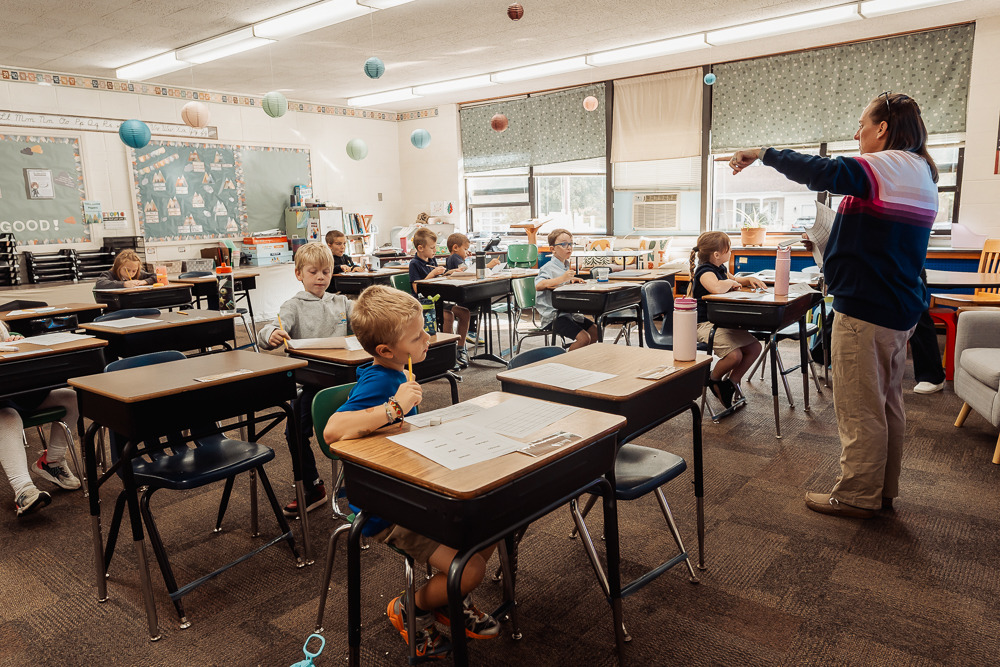
At St. Ann, class sizes average around 12 students, with most ranging from 10–16 per grade. This allows teachers to truly understand each child and provide the kind of individualized support that’s difficult to achieve in larger classrooms.
“We’re able to meet each learner exactly where they are,” shares Mrs. Hoyer, our first grade elementary teacher. “That’s the heart of small-class education.”
Students feel seen, valued, and supported every step of the way.

2. Strong Academic Support & Growth
Small classes allow teachers to identify student needs early and provide targeted intervention or enrichment. Whether it’s reading groups, hands-on math lessons, STEAM projects, or writing workshops, our teachers have the time and flexibility to tailor instruction.
Students aren’t lost in the crowd — they’re guided, challenged, and encouraged.
“You can feel the difference in the classroom energy,” says Mrs. Emerson, middle school science teacher. “Students are more engaged because they’re never sitting on the sidelines.”
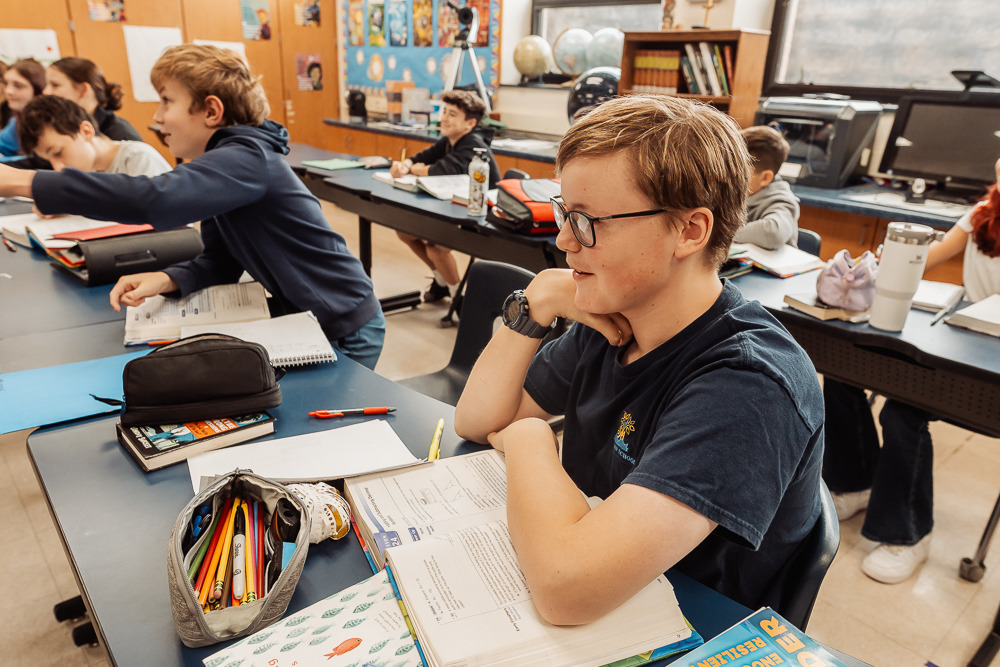
3. A Community Where Everyone Knows Your Name
One of the most consistent things parents share is how warm and connected our school feels.
Smaller class sizes create:
Stronger peer relationships
A sense of belonging
Higher confidence
A safe place to learn and take risks
Teachers truly know their students — their personalities, strengths, interests, and even their stories.
“I know every student’s face and family,” says Mrs. Stano, our Principal, who greets students outside each morning by name as they arrive. “That connection makes a world of difference.”
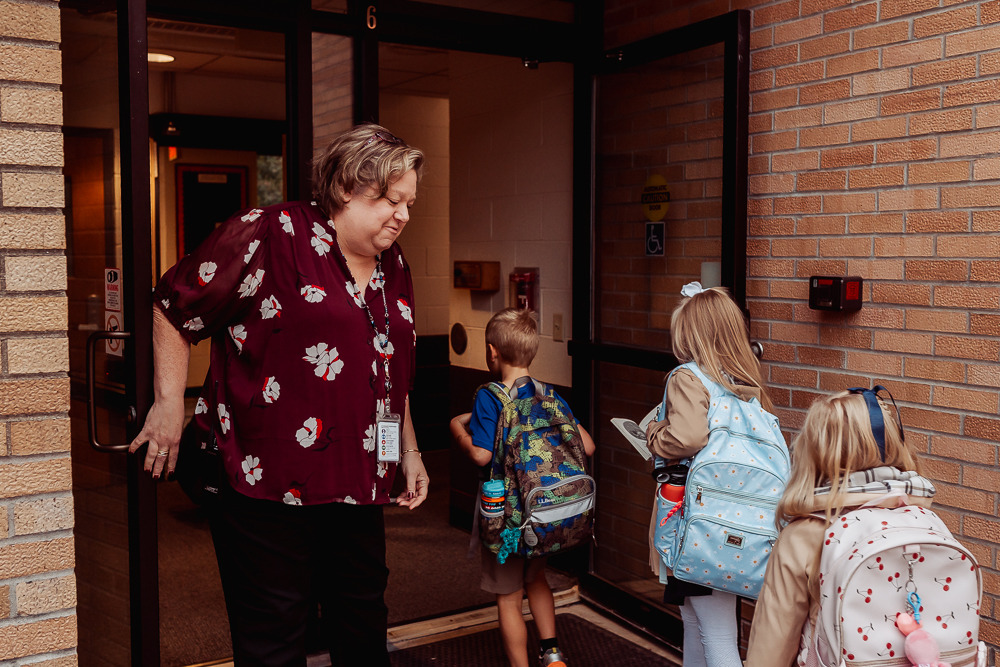
4. Meaningful Student-Teacher Relationships
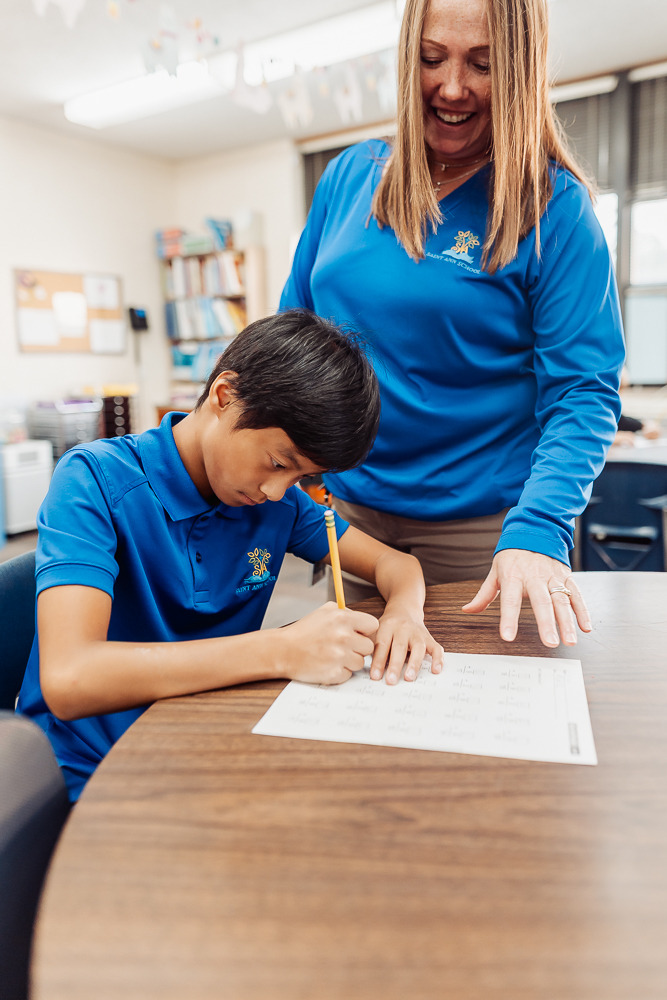
Small classes allow our teachers to build deep, trust-filled relationships with students. When a child feels known and cared for, they learn more confidently and communicate more openly.
This connection also allows teachers to spot changes in behavior, celebrate milestones, and support each student holistically.
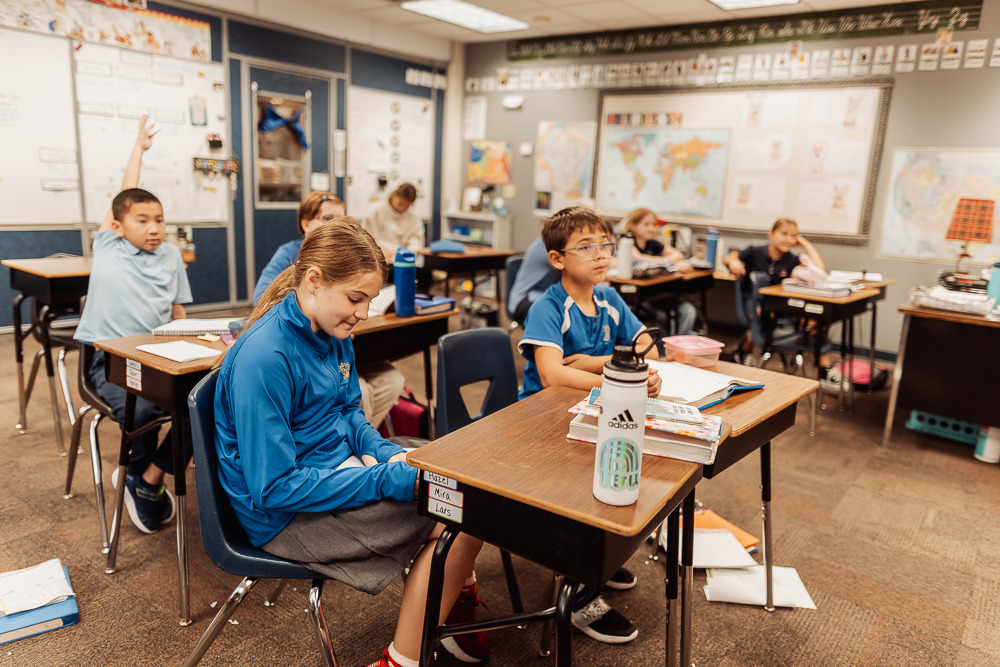
5. Confidence That Grows Every Year
The combination of individualized attention + strong relationships helps students grow in confidence both academically and socially.
In small classes, students are:
More willing to raise their hand
More comfortable sharing ideas
More engaged in discussions
More connected to peers
More confident in their abilities
“I feel like I can always ask questions,” shares Bridget, a St. Ann 4th grader. “My teacher always has time for me.”
This confidence follows students into middle school and beyond.
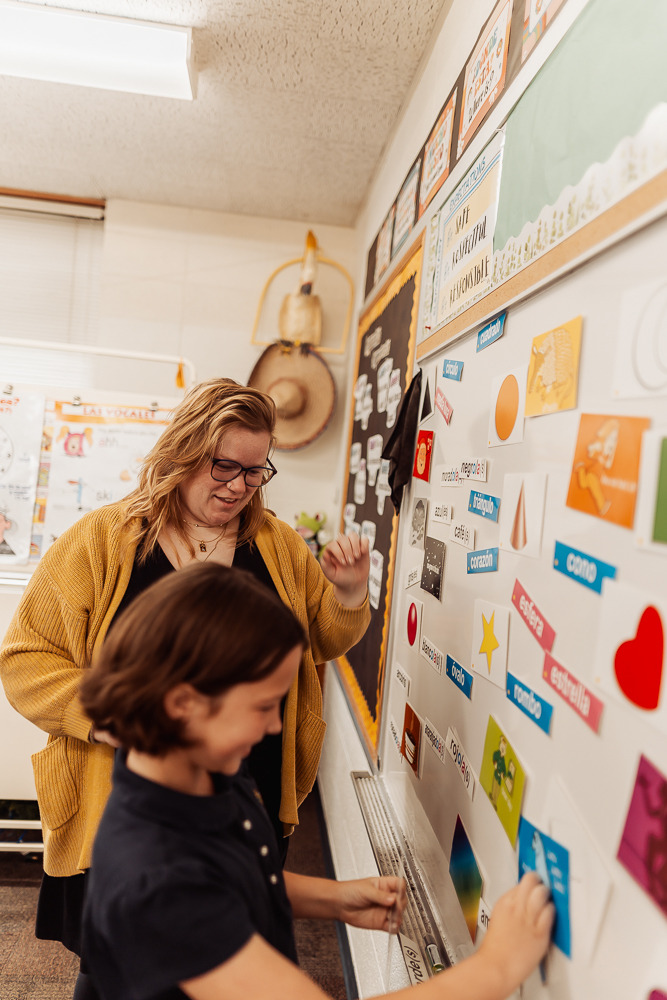
6. A School Community That Feels Like Family
Beyond academics, small class sizes help create the warm, faith-centered community St. Ann is known for. Students form friendships across grade levels through programs like Faith Families, buddy activities, and service projects.
The result?
A school that feels like home — where your child is nurtured, challenged, and supported by an entire community that genuinely cares.
Small Classes, Big Impact
Choosing the right school matters — and at St. Ann, small class sizes allow us to provide a learning environment where students thrive academically, socially, and spiritually.
If you’re exploring school options for your family, we’d love to show you what makes St. Ann so special.
Ready to learn more or schedule a tour?
Our doors are open, and we’d love to meet you.
stanns-school.org/visit